Ottawa’s Dental-Plan Writeoff Needs a Public Eligibility Ledger
A flagship Liberal program relied on self-attestation, paid for ineligible coverage, and is now waiving recovery on a taxpayer exposure estimated at up to $434.8 million.
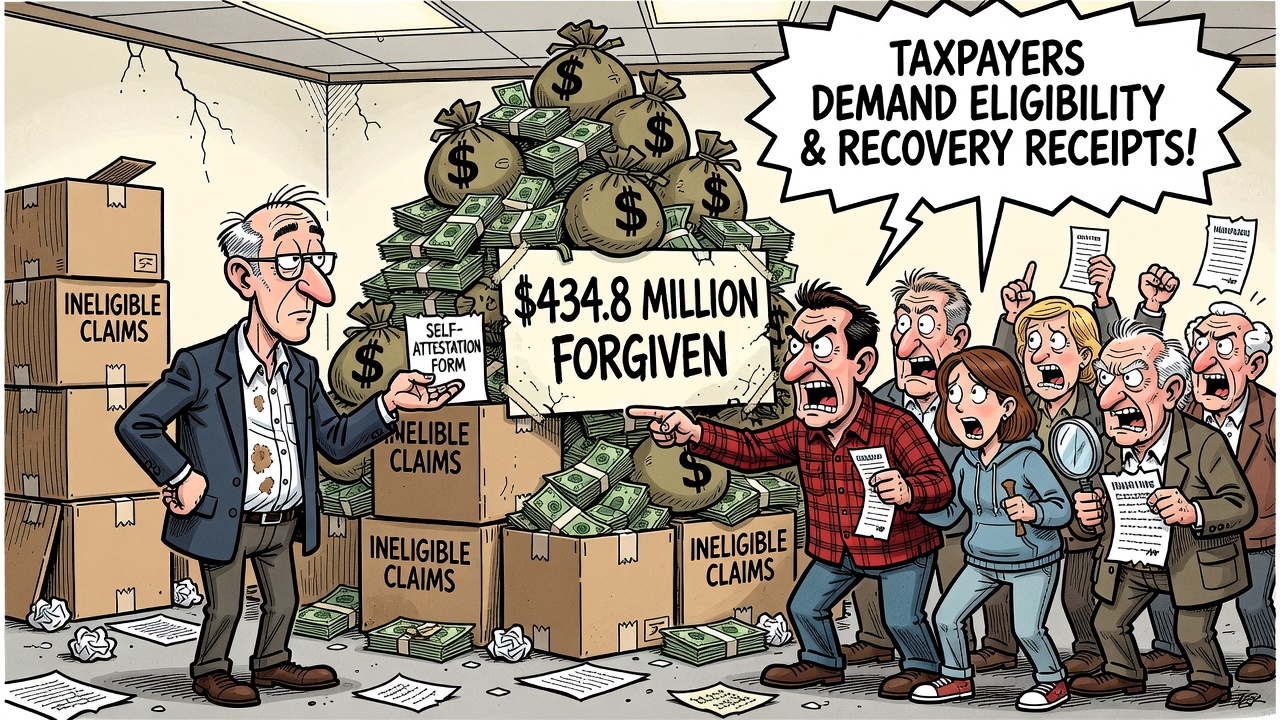
The Canada Gazette has put a hard number beside a soft promise: Ottawa’s Canadian Dental Care Plan is now attached to a remission order with a cost estimate of up to $434.8 million. The order covers people who were enrolled after incorrectly attesting that they did not have access to private dental insurance or coverage, received dental care paid under the plan, and were later found ineligible.
This is not a debate about whether low-income Canadians should be able to see a dentist. Of course access matters. It is a debate about whether a government can launch a major entitlement, lean on self-attestation at the front door, discover ineligible claims after money has gone out, and then ask taxpayers to accept a nine-figure writeoff without a public ledger.
The Gazette order says the remission applies to the first three benefit periods: 2024–2025, 2025–2026 and 2026–2027. Covered debts include the amounts paid or to be paid to oral-health providers for services received while the person was ineligible, plus accrued interest. People who already repaid will be reimbursed, with applicable interest also remitted.
Ottawa’s explanation is that recovery would be unreasonable in these circumstances. The Gazette notes concerns about financial hardship, possible confusion over the private-insurance rule, disproportionate administrative recovery costs, and the fact that implicated people received services rather than direct cash. It also says ineligible people have been removed from the plan and that new T4/T4A dental-coverage reporting now makes pre-enrolment verification possible.
Those are real considerations. They are not a substitute for accountability. The same government that can reassess ordinary taxpayers over benefit overpayments should not treat a flagship program’s eligibility failure as a private administrative footnote. If the rule was unclear, publish what language applicants saw. If verification could not be done earlier, publish why not. If recovery costs exceeded recoverable amounts, publish the math. If fraud screening separated misunderstanding from deliberate false attestation, publish the criteria and the aggregate results.
The conservative standard here is simple: compassion does not require sloppy program design. A safety-net program should help eligible people and protect taxpayers at the same time. When those two duties collide, government owes citizens more than a broad assurance that the writeoff is efficient and proportionate.
The Carney government should release a non-personal public ledger: number of affected files, dollars by benefit period and province, average and median debt, provider-payment totals, reimbursement totals, administrative recovery-cost estimates, fraud-referral counts, eligibility-screen changes, and the date pre-enrolment verification became operational.
If Ottawa wants taxpayers to absorb up to $434.8 million, it can start by showing exactly how the bill was created — and how it will never happen again.
- Canada Gazette: Remission Order in Respect of Canadian Dental Care Plan Eligibility Issues: SOR/2026-204
- Government of Canada: Canadian Dental Care Plan — Do you qualify
- Government of Canada: Canadian Dental Care Plan — Member eligibility review
This article argues for aggregate transparency and does not name or target individual dental-plan members.