Carney’s Refugee Health Reversal Needs an IFHP Ledger
If Ottawa cuts refugee health coverage and then walks part of it back, Canadians deserve the receipts: what changed, what stayed cut, who pays and what it actually saves.
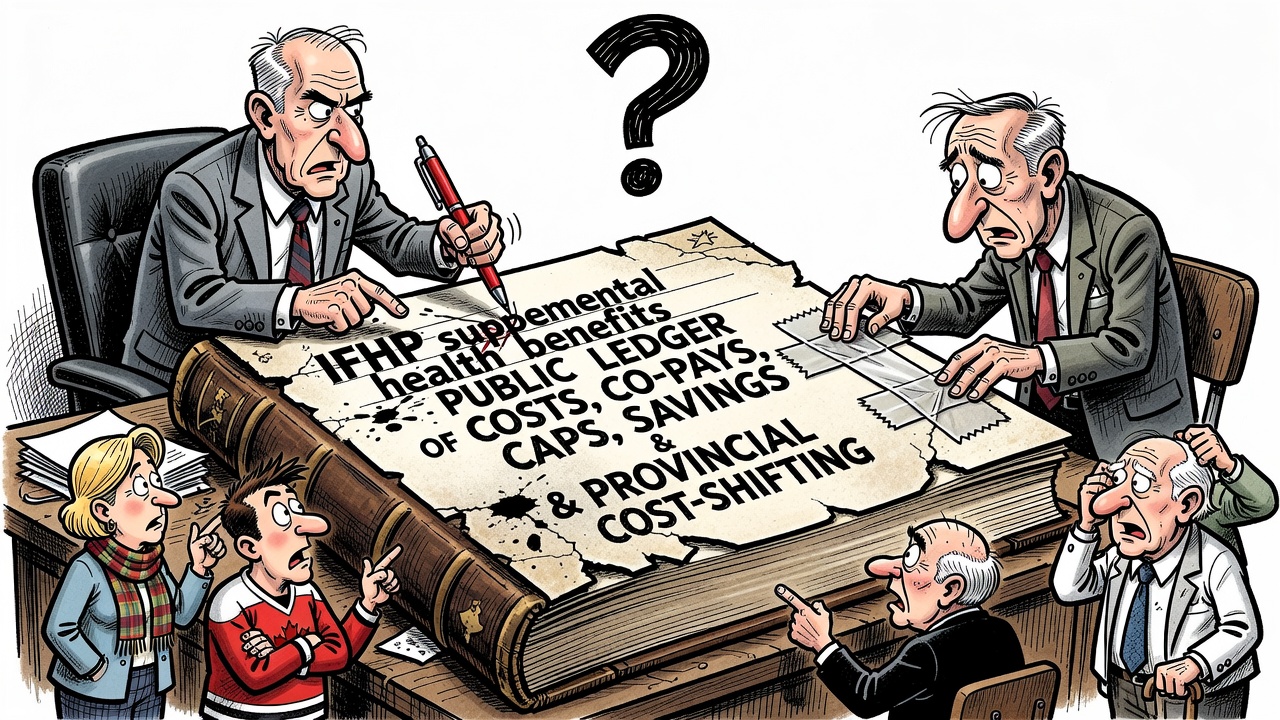
The Carney government’s refugee health-care file now has the worst possible combination for public trust: a costly program, sudden benefit changes, vulnerable patients, provincial spillover risk and a partial reversal that still leaves basic questions unanswered.
The Toronto Star’s current headline says the government has reversed refugee health-care cuts. That may ease part of the immediate pressure. But a reversal is not a receipt. If Ottawa changed the Interim Federal Health Program because it needed savings, then changed course after pushback, taxpayers should be shown the before-and-after ledger.
CBC reported that the spring changes included supplemental-health co-payments for asylum seekers and refugee claimants and a new 10-hour yearly cap on mental-health sessions. CBC also reported that IRCC expected the broader IFHP measures to save about $200 million annually, while neither IRCC nor the Parliamentary Budget Officer could provide a counselling-specific cost breakdown. That is the accountability problem in one sentence: Ottawa can announce savings, but Canadians cannot see the service-level math behind the cut.
The official numbers show why scrutiny is warranted. The Parliamentary Budget Officer reported that IFHP costs rose from $211 million in 2020-21 to $896 million in 2024-25, and projected costs above $1.5 billion by 2029-30 before accounting for the Budget 2025 co-payment measure. On the government’s own Canada.ca pages, IFHP beneficiaries currently face a $4 co-payment for eligible prescriptions and a 30 per cent co-payment for eligible supplemental benefits such as urgent dental care, vision care, mental-health counselling, physiotherapy and assistive devices.
A conservative accountability position should be clear: limited, temporary refugee health coverage can exist, but it cannot be run by press release, provider confusion and hidden spreadsheets. If the program is growing because asylum inventories are growing, say so. If co-pays are supposed to control costs, publish the estimate. If reversing part of the change reduces projected savings, publish the revised number. If provinces, hospitals or charities will absorb costs that Ottawa no longer covers, publish that risk too.
Nor should the debate be reduced to slogans. Refugee claimants are real people; taxpayers are real people; provincial health systems are already strained; and public confidence collapses when governments pretend all four pressures can be managed without tradeoffs. The fair answer is not secrecy. It is a public ledger.
That ledger should list every benefit restored, every cap or co-payment still in force, the number of affected beneficiaries, the consultation record, the fiscal saving before and after the reversal, the reason codes for each benefit category and the expected impact on provincial emergency rooms and community clinics.
If Carney’s Liberals believe the original cuts were necessary, defend them with numbers. If they believe the reversal was necessary, defend that with numbers too. What they should not do is ask Canadians to accept a billion-dollar-plus program, a vulnerable population and a quiet policy U-turn on trust alone.
- Toronto Star: Carney government reverses refugee health care cuts
- CBC News: Ottawa cut therapy sessions for refugees to 10 hours per year. Now some are pushing back
- Parliamentary Budget Officer: Projecting the Cost of the Interim Federal Health Program
- Government of Canada: Temporary health care coverage: What is covered
- Immigrant Workers Centre: Stop Making Refugees Pay for Canada’s Health-Care Crisis
This article criticizes federal program design, fiscal transparency and health-benefit accountability. It does not argue that eligible people should be denied emergency or medically necessary care.